


Consequential systems architecture
We deliver sovereign systems.
AI has moved from advising people to acting on systems, infrastructure, and operations. Bear Canyon Systems designs and delivers the architecture, authority, and assurance required when those actions have physical-world consequences.
Assurance by design, not assumption.
The problem has changed
AI governance cannot remain periodic when AI operation is continuous.
Traditional governance asks what was approved.
Operational AI requires knowing what is happening now — which models and agents are operating, what authority they have, what changed, what evidence exists, and when a human must intervene.
What is running now?
Which models, agents, and automated systems are actually operating?
Who authorized it?
What identity, role, or delegated authority allows the action?
What can it access?
Which systems, data, devices, and workflows are within scope?
What can it do?
Where does recommendation end and consequential action begin?
What changed?
Did the model, policy, environment, authority, or operating state move?
What evidence exists?
Can the organization reconstruct what happened, and why?
When does a human intervene?
Where are escalation, approval, override, and containment required?
BCS turns those questions into architecture.
What we solve
The difficult part starts when AI leaves the demo.
We work at the seams between AI, software, operations, physical systems, authority, and human responsibility.
AI moves from pilot to production
Problem
Demos and vibe coding become operational systems without the corresponding authority, lifecycle, evidence, and assurance architecture.
BCS
Production architecture, governance controls, deployment assurance, lifecycle controls, and evidence.
Autonomous systems begin taking action
Problem
Detection and intelligence get wired directly into workflows, transactions, and physical actions.
BCS
Identity, authority, policy, human escalation, containment, and auditable action boundaries.
Physical and digital systems converge
Problem
AI, cloud, edge systems, cameras, sensors, access control, networks, operators, and vendors share one operating environment.
BCS
End-to-end operational architecture across organizational, technical, and physical seams.
Compliance cannot keep pace with system change
Problem
Periodic review describes a system that may have materially changed by the time the audit is complete.
BCS
Continuous evidence, operational state awareness, and architecture that supports:
Audit on signal — not only on schedule.
Organizations cannot prove what happened
Problem
Logs exist everywhere while evidence of identity, authority, decision, and action stays fragmented.
BCS
Evidence architecture designed to reconstruct:
Who or what acted, under what authority, why, and with what result.
Governance by architecture
AI changes architecture when models stop advising and start acting.
When an AI system can communicate, transact, publish, direct a workflow, or influence the physical world, governance is no longer a policy document sitting beside the system.
It becomes part of the architecture.
01
Identity
Who or what is acting?
02
Authority
What is it allowed to do?
03
Policy
Under what conditions?
04
Evidence
What happened, and why?
05
Auditability
Can the action be reconstructed?
06
Human control
When must a person approve or override?
07
Containment
What happens when identity, state, or authority cannot be established?
Where we work
Domains where outcomes matter

Critical Digital Infrastructure

Autonomous & Edge Systems

Media, Commerce & Operating Platforms
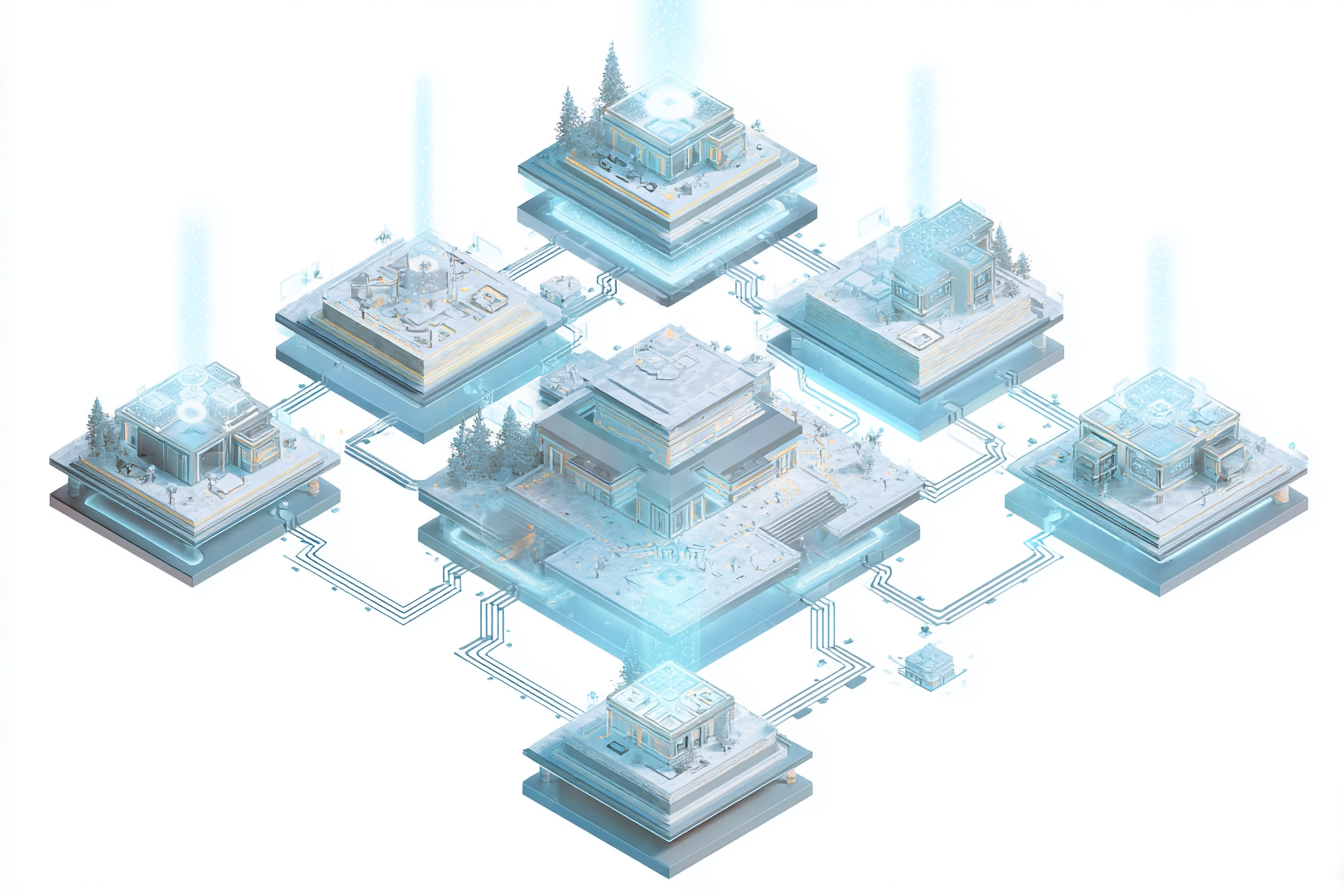
Integration & Enablement
Proprietary + commercial capability
We don’t start from a blank whiteboard.
BCS brings proprietary architecture, field-tested methods, reusable infrastructure, and selected commercial technologies into our engagements.
Sovereign / governed agent architecture
BCS is engaged to take patented technology to market — go-to-market strategy, proofs of concept, and operationalization — and builds proprietary methods and systems on that foundation for bounded, sovereign, and governed agent architectures.
Physical security systems and enterprise media and communications operations.
Continuous AI assurance
If one of your suppliers isn’t compliant — or has a breach — do you know the blast radius? Operational AI and supply chains change faster than periodic governance can observe them. BCS pairs architecture and governance work with commercial assurance technology: lifecycle governance, deployed-model visibility, monitoring, compliance records, and evidence-backed assurance.
Bear Canyon Systems is the U.S. distributor for TestaMark, the platform behind PASS and SuppliAssure.
TestaMarkAutonomous media & intelligence engine
AMIE is the operating engine that uses EEI to continuously research, evaluate, govern, produce, and service intelligence and media — turning continuously gathered evidence into governed, traceable output across editorial, audio, and agent-native interfaces. It is a system that decides.
AMIE — Autonomous Media and Information Engine. Powers Autonomous Signal.
Physical systems architecture
Decades of architecture and operating experience where software decisions eventually touch cameras, access systems, networks, facilities, infrastructure, and people.
Data centers, physical security, critical infrastructure.
Systems in the field
Real systems. Real partners. Real operating conditions.
BCS works across systems already operating in the physical world, proprietary architectures being proven in the field, and new platforms being built with commercial partners.

Media & Commerce Automation
Enterprise Editorial Infrastructure (EEI) in commerce
EEI applied to local commerce and terrestrial media — digital commerce, identity, governed customer workflows, automation, and broadcast operations running as one system.
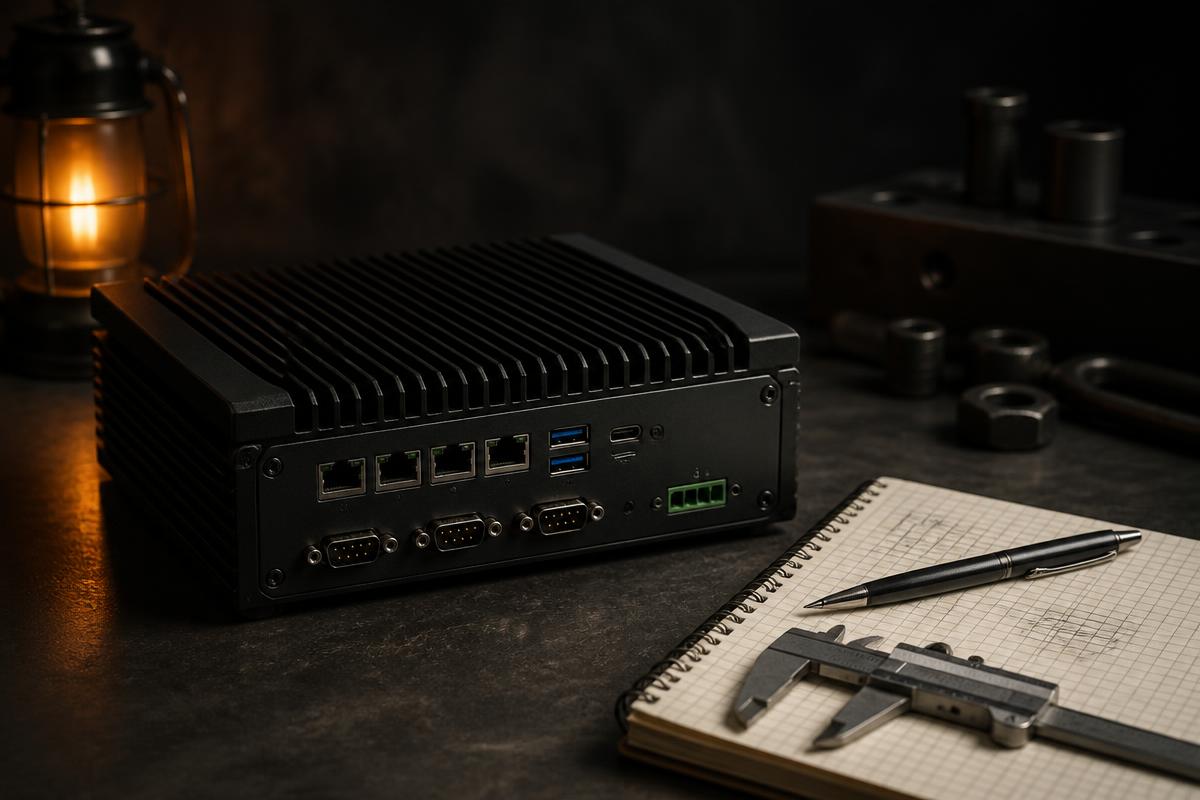
Jynsyn
Sovereign and locally autonomous systems
Locally autonomous agent architecture built around explicit identity, authority, policy, evidence, and controlled physical action.
AMIE — Autonomous Media and Information Engine
Governed AI media infrastructure
The operating engine that uses EEI to continuously research, evaluate, govern, produce, and service intelligence and media — the system that powers Autonomous Signal.

Physical Security + Data Center Architecture
Systems where failure has physical consequences
Decades across physical security, access control, cameras, networks, data centers, and the people responsible for running them.
“Tim is one of the rare people who can hold the technical, human, and business dimensions of a system in view at the same time.”See the systems
How to work with BCS
Hire us. Build with us. Follow what we’re proving.
Work With BCS — hire us
Architecture, AI governance, technical strategy, assessments, integration, prototypes, technical due diligence, and fractional technical leadership.
Defined scope. Paid engagement.
Build With BCS — build with us
When a partner brings a real problem, domain advantage, market access, and a credible path to revenue, BCS may invest technology and capability alongside them. Sometimes we build companies around the systems we build.
Selective venture partnership.
BCS Labs — what we’re proving
Questions worth proving before they become requirements:
- What happens when an AI system needs authority — not just intelligence?
- Can governance operate continuously instead of quarterly?
- Can locally autonomous systems stay accountable without continuous cloud connectivity?
We don’t start from zero every time.
Bring us the system you cannot afford to get wrong.
Architecture review, AI governance, a platform decision, or a venture you want a technical partner for. Not sure it fits? Send it anyway — we will tell you plainly.
Start a conversation